DIY vs. Professional Installation
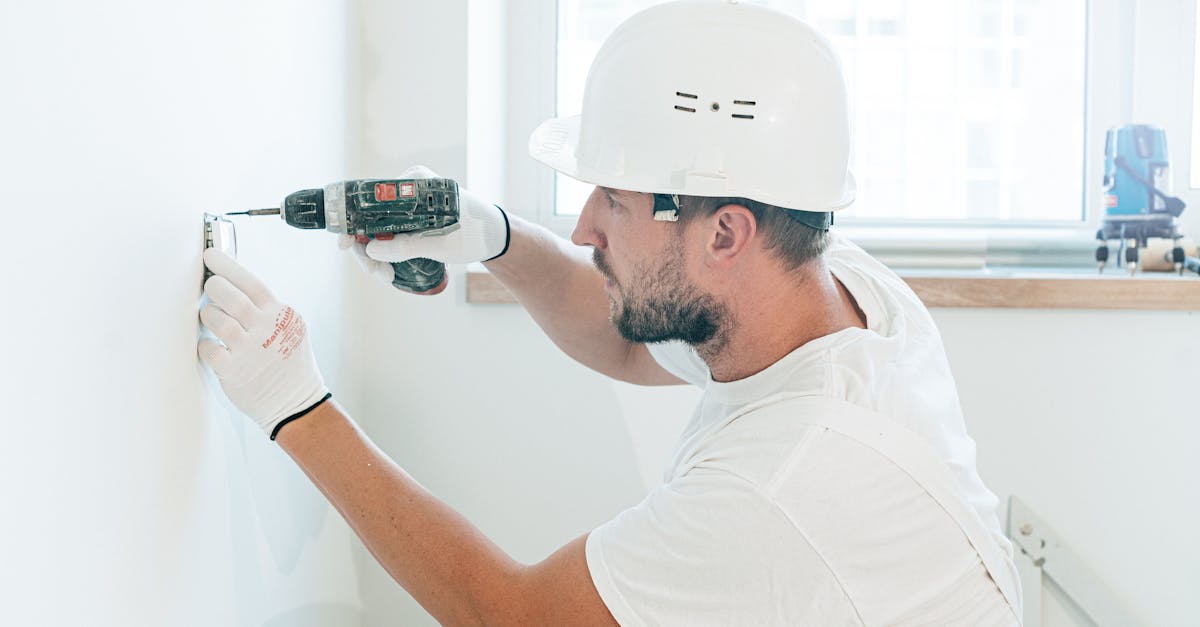
Taking on a DIY toilet installation can be an appealing option for many homeowners looking to save money. It allows for hands-on involvement and a sense of accomplishment upon completion. Basic tools and a few hours can lead to significant savings compared to hiring a professional. However, successful installation requires a good understanding of plumbing and the ability to troubleshoot any issues that may arise during the process.
On the other hand, hiring a professional for toilet installation and repair in Cleveland Heights, Ohio ensures that the job is done correctly and efficiently. Professionals come with experience and specialized tools that can make the installation process smoother and quicker. This approach also provides peace of mind, as skilled plumbers are often better prepared to handle unexpected complications. The upfront cost may be higher, but the long-term investment in quality service can alleviate future repair headaches.
Pros and Cons of Each Approach
When deciding between DIY and professional installation for your toilet, it’s important to weigh both the advantages and drawbacks of each approach. A DIY installation can save money on labor costs and can be a rewarding experience for those who enjoy home improvement projects. However, it requires a certain level of plumbing knowledge and skill. An inexperienced person may face complications that lead to additional repairs or overwhelming frustration.
On the other hand, professional installation provides the benefit of expertise and assurance of a job well done. This approach can prevent potential issues down the line, especially for intricate plumbing systems. The downside includes the higher costs associated with hiring a professional. For residents seeking Toilet installation and repair in Ohio, understanding both options can lead to more informed decisions, ensuring that the installation process aligns with one’s budget and capabilities.
Regional Variations in Installation Costs
Installation costs for toilets can vary significantly depending on geographical location. Factors such as local labor rates, cost of living, and demand for plumbing services play a crucial role in determining prices. For instance, urban areas often experience higher costs due to elevated labor and overhead expenses, while rural regions may offer more affordable rates.
Toilet installation and repair in Cleveland Heights, Ohio, exemplifies how regional market dynamics affect pricing. Homeowners might find competitive quotes from local contractors, but those situated in metropolitan areas nearby could face higher estimates. It is essential to research local services and gather multiple quotes to ensure a fair price while considering the unique conditions of each region.
Geographic Influences on Pricing
Regional differences can significantly impact the cost of toilet installation. Areas with a higher cost of living, such as major metropolitan centers, often see increased labor costs due to demand and competition among contractors. In contrast, rural areas may offer lower prices, though access to skilled plumbers can be more limited. This variability highlights the importance of considering local market conditions when estimating expenses.
Toilet installation and repair in Ohio provides a useful example of how geographic factors play a role in pricing. Those in densely populated parts of the state, like Columbus and Cleveland, may face higher prices compared to smaller towns. Additionally, local building codes and regulations can add to costs, as compliance measures vary by region. Understanding these influences helps homeowners better prepare for the financial aspects of their plumbing projects.
Permits and Regulatory Fees
Local building codes often dictate the need for permits during toilet installation or repair projects. These regulations ensure that plumbing work meets safety and quality standards, preventing potential issues down the line. In states like Ohio, homeowners may be required to obtain permits before starting any significant plumbing work. Failing to do so can result in fines or the need for costly rework if the installation is deemed non-compliant.
Additionally, permit fees can vary widely based on the location and scope of the project. In Ohio, fees may be influenced by the specific city or county regulations. Homeowners should budget for these costs when planning toilet installation and repair in Ohio. Consulting with a local plumbing professional can provide clarity on necessary permits and associated fees, helping to streamline the installation process.
When You Need a Permit
Homeowners may need a permit for toilet installation and repair in Ohio, particularly in cases involving significant plumbing modifications. Local building codes vary, so it's essential to check with local authorities before proceeding with any bathroom renovation. The necessity for permits often arises when installation involves changes to plumbing systems, such as moving the toilet's location or replacing old pipes.
In addition, permits might be required to ensure compliance with health and safety regulations. This step helps prevent potential issues down the line, such as leaks or drainage problems. Failing to obtain a permit can lead to fines or complications when selling a home, making it a critical consideration for any homeowner planning a toilet project.
FAQS
What is the average cost of toilet installation?
The average cost for toilet installation typically ranges from $150 to $300, depending on factors like location, type of toilet, and whether you're hiring a professional or doing it yourself.
Can I install a toilet myself to save money?
Yes, you can install a toilet yourself if you have basic plumbing skills and the right tools. However, be aware that improper installation can lead to leaks or other issues, potentially costing more in the long run.
Are there additional costs beyond the installation fee?
Yes, additional costs may include purchasing a new toilet, any necessary plumbing materials, potential permit fees, and costs associated with removing an old toilet.
How do regional differences affect toilet installation costs?
Regional variations can significantly influence installation costs due to differences in labor rates, material costs, and local regulations. Urban areas may have higher prices compared to rural locations.
When is a permit required for toilet installation?
A permit is typically required when you are making significant plumbing changes or installing a new toilet in a location where one previously did not exist. Always check with your local regulations to determine specific requirements.