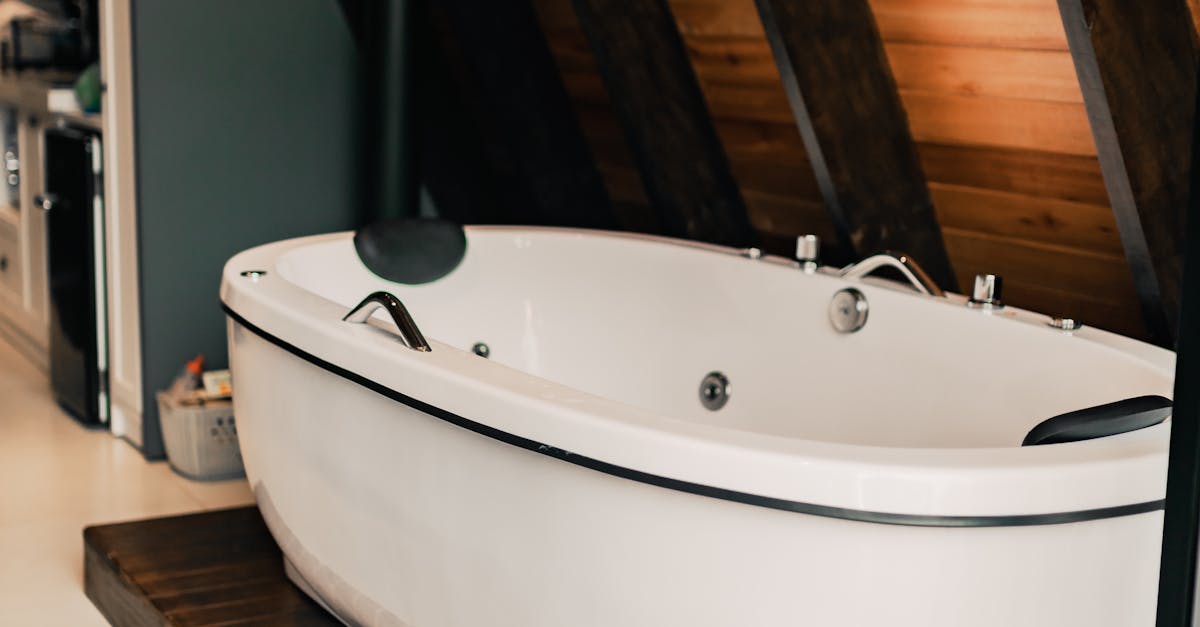
Shower installation and repair
At Lakewood Plumbing, Drain and Sewer, we specialize in professional shower installation and repair services tailored to meet your specific needs. Whether you’re looking to upgrade your bathroom with a sleek, modern shower or need prompt repairs to fix leaks and malfunctioning fixtures, our experienced team is dedicated to delivering top-quality workmanship and customer satisfaction. We use only the best materials and the latest techniques to ensure your shower operates flawlessly and enhances the overall aesthetic of your home. Trust us to provide reliable, efficient, and affordable solutions that make your shower experience enjoyable and hassle-free.
DIY Shower Repair
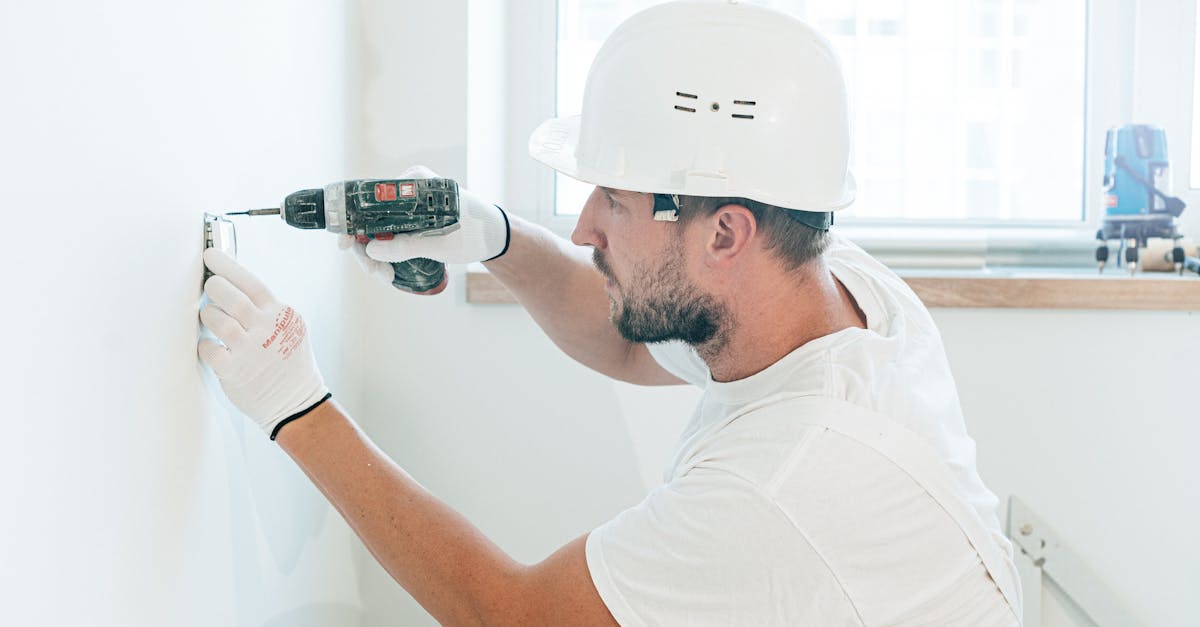
Many homeowners consider taking on small shower repairs themselves to save money and gain a sense of accomplishment. Simple tasks like replacing a showerhead, fixing a dripping faucet, or resealing a shower door can often be done with basic tools and minimal experience. Resources such as online tutorials and DIY manuals provide valuable guidance, making repairs seem less daunting and achievable for the average DIY enthusiast.
However, not all repairs may be suitable for a do-it-yourself approach. Some issues, particularly those involving plumbing lines, drainage, or extensive mold problems, can be complicated and require professional expertise. Mistakes in these areas can lead to further damage, increased costs, or even hazards such as water damage. It’s essential for homeowners to assess their skills honestly and know when to call in a professional plumber to ensure the repair is completed correctly and safely.
Pros and Cons of Handling Repairs Yourself
Taking on shower repairs yourself can lead to significant cost savings. Homeowners often find that they can avoid labor charges by handling small issues like leaky faucets or clogged drains independently. Many online resources provide step-by-step guides and instructional videos, making it easier for the average person to tackle common problems. This sense of accomplishment can also enhance one’s confidence in home maintenance.
On the flip side, DIY repairs come with risks that may outweigh the benefits. Mistakes can lead to more extensive damage, which may result in higher repair costs down the line. Additionally, certain issues might require specialized knowledge or tools, which one may lack. If local plumbing codes are not followed, there could be serious legal implications, making professional intervention a safer choice in complex situations.
The Role of Plumbing Codes in Shower Installation
Plumbing codes play a crucial role in ensuring that shower installations meet safety and performance standards. These regulations are designed to protect public health by minimizing risks associated with water supply contamination and ensuring proper drainage. Each locality has its specific codes, frequently updated to reflect the latest materials, technologies, and environmental considerations. Familiarity with these codes is essential for any homeowner or contractor aiming to undertake a shower installation project.
Compliance with local plumbing codes is not just a suggestion but often a legal requirement. Failure to adhere to these standards can lead to severe consequences, including costly fines or mandatory remediation work. Additionally, improper installations that do not meet code can jeopardize insurance claims and lower the value of a property. Therefore, understanding and following the applicable codes can save both time and money in the long run, ensuring the installation is both efficient and secure.
Ensuring Compliance with Local Regulations
Local plumbing codes dictate the standards for water and waste systems in homes, including shower installations. These codes are designed to ensure safety, prevent water damage, and promote health by reducing the risk of contamination. Homeowners should familiarize themselves with both state and local regulations before starting a shower installation to avoid potential fines and the need for costly retrofitting. Consulting a licensed plumber can help navigate these requirements and ensure that the installation meets all necessary criteria.
Compliance with regulations often involves ensuring proper drainage, venting, and water pressure. Specific requirements may vary depending on the area, so checking local guidelines is essential. Many municipalities provide resources or have offices that offer advice on what is needed for compliance. By adhering to these standards, homeowners not only create a safer shower environment but also enhance their property's value and functionality while avoiding the complications that can arise from non-compliance.
Maintenance Tips for a LongLasting Shower
Regular cleaning prevents soap scum and mildew buildup, extending the life of your shower. Use a gentle, non-abrasive cleaner to avoid damaging surfaces. A squeegee after each use helps in reducing water spots on glass doors and tiles. Pay attention to grout lines, as they can accumulate dirt over time. Keeping a clean and tidy shower area not only enhances appearance but also minimizes potential repair needs down the line.
Proper sealing of joints is crucial for maintaining your shower's integrity. Regularly inspect all seals and caulking around fixtures for any signs of wear or damage. Replacing worn seals promptly can prevent moisture intrusion that leads to mold or structural issues. Additionally, ensure that the water temperature is set appropriately. Excessively hot water can deteriorate certain materials faster than cooler temperatures, making regular checks a wise practice.
FAQS
What are some common DIY shower repairs that homeowners can tackle?
Common DIY shower repairs include fixing leaky faucets, replacing showerheads, unclogging drains, and re-grouting tiles.
How can I determine if a shower repair is too complicated to handle myself?
If the repair involves major plumbing work, structural issues, or requires specialized tools and knowledge, it may be best to consult a professional.
What plumbing codes should I be aware of when installing a shower?
Plumbing codes vary by location, but generally include regulations regarding drainage, water supply, and installation materials. It's important to check with your local building department.
How can I ensure my shower installation complies with local regulations?
To ensure compliance, review your local plumbing codes, obtain any necessary permits, and consider hiring a licensed plumber for the installation.
What are some essential maintenance tips for keeping my shower in good condition?
Regularly clean your shower with appropriate products, check for leaks, replace worn-out seals, and inspect the grout and tiles for damage to maintain its longevity.